Unpacking the Ties Between Deposit Channels and Escalating Reward Tiers in Provider-Built Reel Networks
Carlo Koch · Nov 1, 2026
Unpacking the Ties Between Deposit Channels and Escalating Reward Tiers in Provider-Built Reel Networks
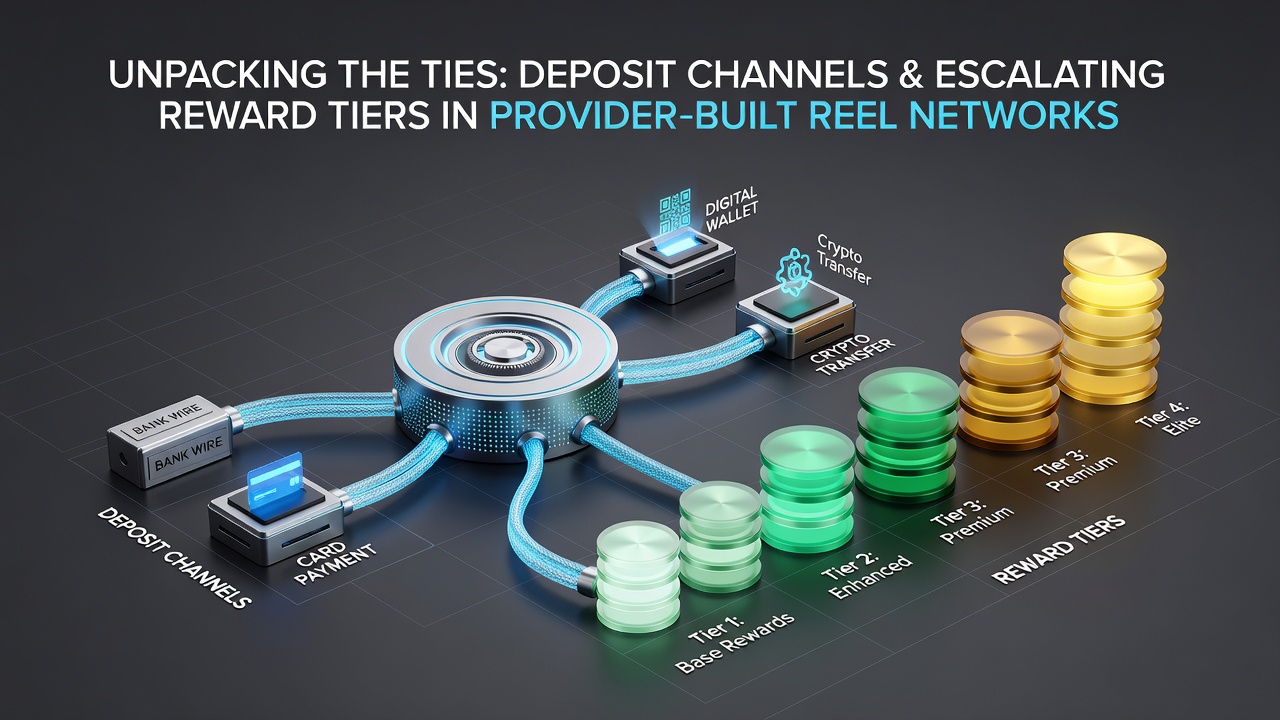
Deposit channels serve as entry points that shape how reward tiers develop inside networks built by slot game providers, and observers note these systems operate through direct links between payment methods and loyalty structures. Data from industry reports shows that faster deposit options often trigger quicker access to higher tiers, while slower channels create delays in point accumulation across multiple platforms. Researchers at the University of Nevada, Las Vegas have tracked these patterns in provider ecosystems where reel-based games integrate transaction data with tier progression algorithms.
Deposit Channels as Structural Foundations
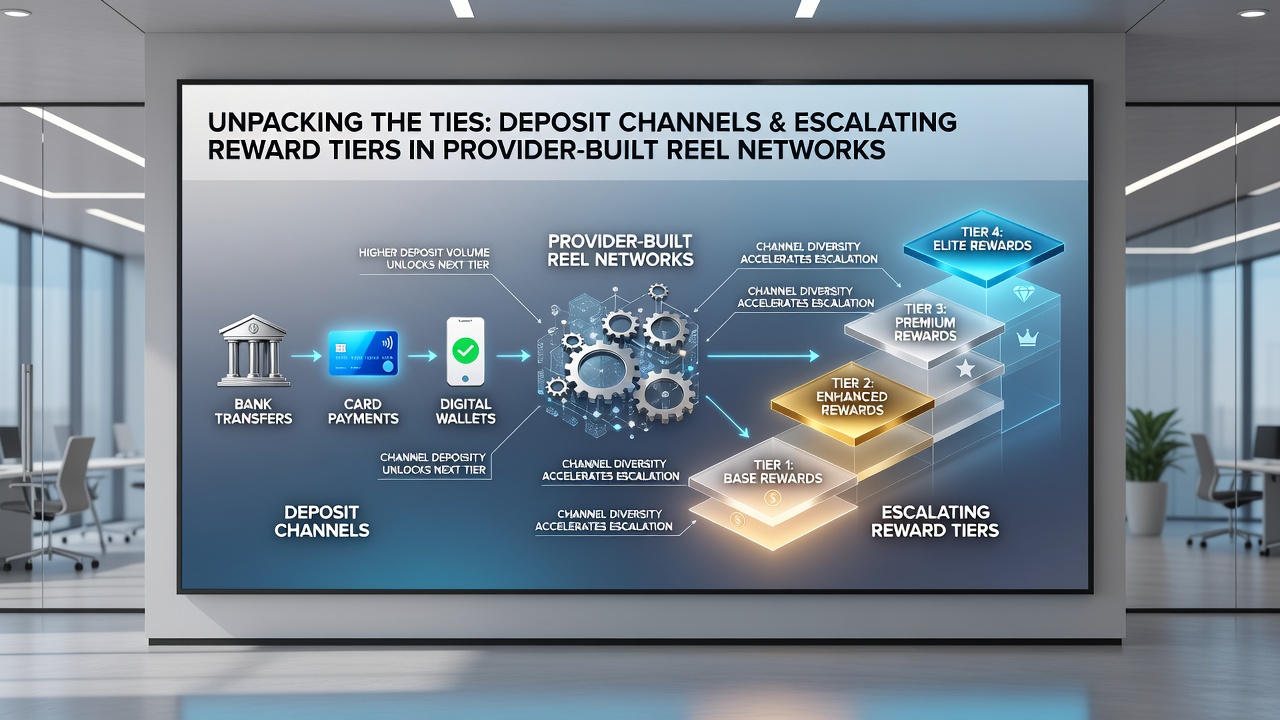
Payment methods such as e-wallets, bank transfers, and card processors feed into provider-built systems that calculate eligibility for escalating rewards, and this integration occurs because networks rely on real-time verification to assign points. Those who study these mechanics find that instant deposit channels reduce friction in tier advancement, whereas traditional bank routes extend the timeline before users reach mid-level or top-tier status. Figures from the New Jersey Division of Gaming Enforcement indicate that transaction speed correlates with reward frequency in networked slot environments during late 2026.
Mechanics of Tier Escalation in Reel Networks
Provider networks design tier systems that respond to deposit volume and frequency, yet the actual escalation depends on how each channel reports activity back to the central database. Short bursts of high-value deposits through digital wallets accelerate movement between tiers, while steady low-volume transfers through cards maintain slower, more predictable climbs. Experts observe that these differences arise because providers embed channel-specific multipliers into their algorithms, allowing certain payments to contribute extra toward bonus unlocks or VIP access.
What's interesting is the way cross-platform triggers synchronize deposit data with live reel outcomes, creating feedback loops where a successful deposit immediately influences the next tier threshold. In November 2026, updates to several major provider frameworks incorporated new channel identifiers that refined these calculations without altering core game mechanics.
Provider Strategies Linking Payments to Rewards
Game providers embed deposit channel data directly into reward engines so that tier benefits scale according to the payment profile of each user segment. This approach allows networks to offer tailored incentives such as accelerated point multipliers for e-wallet users or extended expiration periods for bank transfer deposits. Studies from the Australian Gambling Research Centre reveal that these customizations increase retention rates because players encounter reward structures that match their preferred transaction habits.
Take one case where a provider adjusted its tier thresholds after noticing that cryptocurrency channels produced higher average deposit sizes, and the adjustment resulted in new mid-tier perks that activated faster for those users. Observers note similar adjustments across multiple networks as providers refine how deposit pathways influence the overall reward ladder.
Cross-Network Effects and Data Synchronization
Reel networks built by providers often share backend systems that pool deposit information, which means a single transaction can affect tier status across several connected platforms at once. This synchronization relies on standardized channel codes that track payment type, amount, and verification status in unified logs. Data indicates that networks using these shared protocols see more consistent tier progression patterns, especially when users move between mobile and desktop environments.
But here's the thing: not every channel integrates equally well with the shared systems, so providers must maintain separate pathways for legacy methods while prioritizing newer digital options. In November 2026, several network operators reported testing enhanced synchronization tools that further tied deposit verification speed to tier-based jackpot contributions.
Conclusion
The connections between deposit channels and reward tiers continue to evolve as providers update their reel networks with more precise tracking capabilities. Evidence from regulatory filings and academic reviews shows that payment method selection directly influences how quickly users advance through tier structures, and this relationship remains central to how modern slot ecosystems function. Those monitoring these developments expect further refinements in channel integration as networks expand across additional platforms and regions.