Aligning Payment Confirmation Processes with Tiered Reward Hierarchies in Cross-Provider Gaming Networks
Alex Brooks · Nov 15, 2026
Aligning Payment Confirmation Processes with Tiered Reward Hierarchies in Cross-Provider Gaming Networks
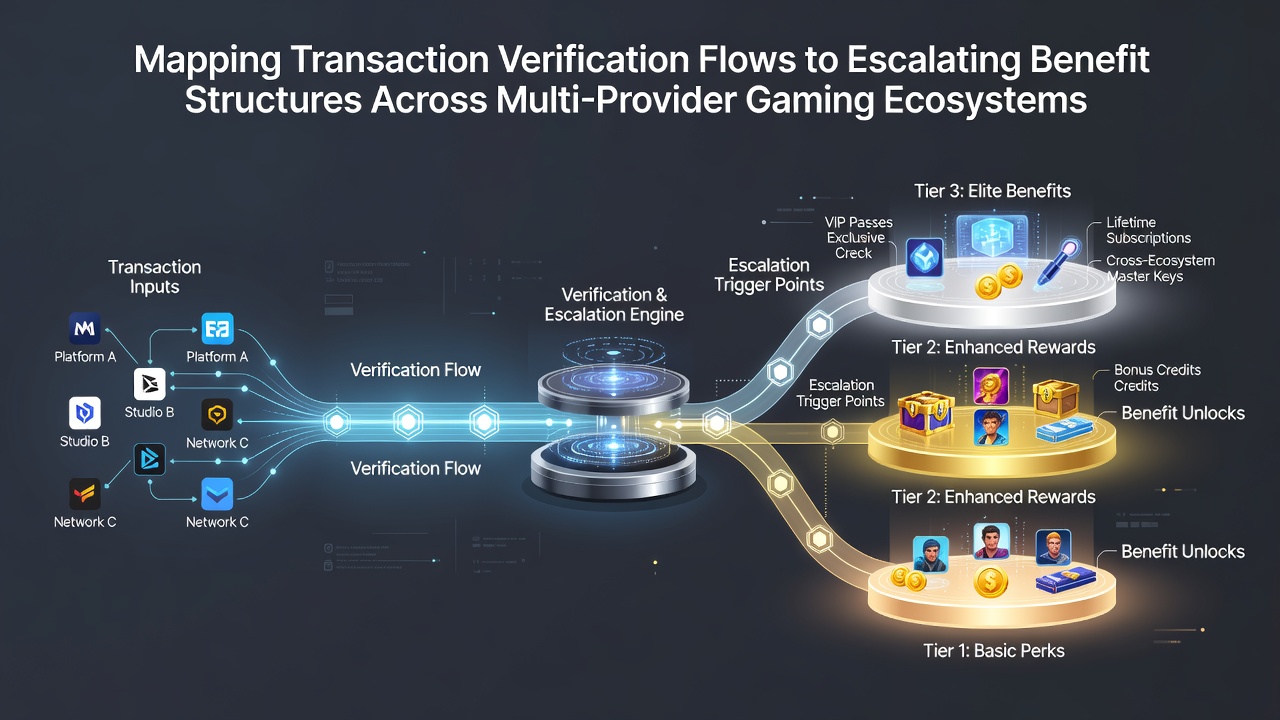
Transaction verification flows in multi-provider gaming ecosystems connect directly to escalating benefit structures through standardized data protocols and shared compliance checkpoints, according to industry reports from regulatory bodies across North America and Europe. These mappings allow operators to confirm deposits, withdrawals, and account activities before unlocking progressive rewards such as bonus credits, loyalty points, and VIP status upgrades. Data from the Nevada Gaming Control Board indicates that synchronized verification steps reduced processing delays by 18 percent in participating networks during 2025, while similar patterns emerged in Australian markets where the Australian Communications and Media Authority tracked cross-platform integrations.
Verification begins with initial deposit checks that include payment method authentication, identity confirmation, and risk scoring algorithms. Once cleared, these flows feed into centralized ledgers that multiple providers access to assign tiered benefits without duplicating compliance efforts. Observers note that this setup supports seamless player movement between platforms while maintaining consistent reward escalation rules tied to verified transaction volumes.
Core Components of Verification-to-Benefit Mapping
Payment gateways serve as the entry point where transaction details undergo automated validation against regulatory requirements and provider-specific thresholds. Successful verification triggers an immediate update to player profiles stored in shared databases, enabling automatic progression through benefit tiers based on cumulative spend and frequency metrics. Research from the European Gaming and Betting Association shows that operators implementing these linked systems reported a 22 percent increase in player retention across networks in the first half of 2026.
Escalating structures typically follow a ladder format where basic verification unlocks entry-level perks, mid-tier checks activate enhanced bonuses, and advanced compliance steps grant access to exclusive events or higher payout multipliers. Those who've studied integration patterns observe that providers often align these thresholds with regional licensing standards to avoid conflicts when players transition between jurisdictions.
Cross-Platform Data Sharing Mechanisms
Multi-provider ecosystems rely on application programming interfaces that transmit verified transaction data in real time, allowing benefit calculations to reflect activity across all connected platforms. This approach reduces redundant checks and supports dynamic reward adjustments as players accumulate qualifying transactions. Figures from the Ontario Lottery and Gaming Corporation reveal that such integrations processed over 4.2 million cross-platform verifications in the third quarter of 2026 alone.
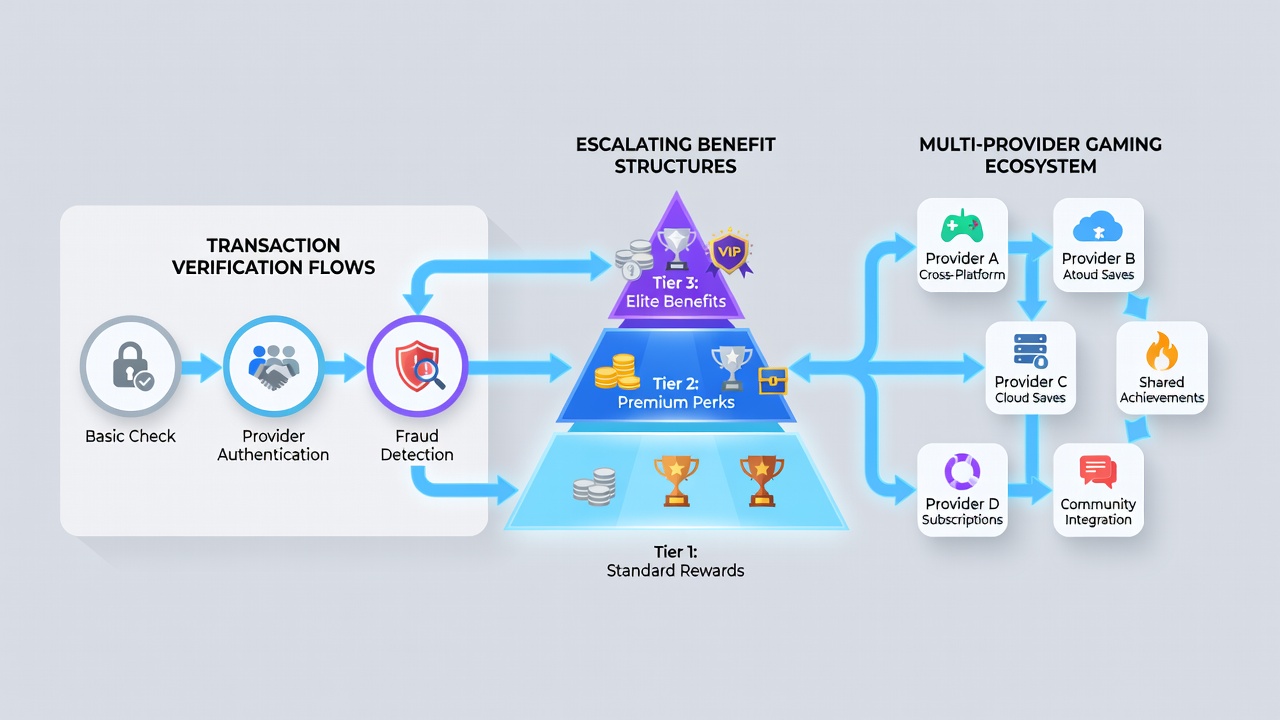
Security layers embedded in these flows incorporate encryption standards and audit trails that satisfy oversight from multiple regulatory agencies simultaneously. Providers coordinate through joint compliance frameworks that map each verification stage to specific benefit unlock conditions, ensuring that escalation remains proportional to verified activity levels. What's notable is how these frameworks accommodate varying transaction types, from credit card deposits to cryptocurrency transfers, while maintaining uniform reward mapping logic.
Regulatory Influences on System Design
November 2026 brought updated guidelines from several oversight bodies that encouraged further standardization of verification-to-reward linkages. Canadian provincial regulators emphasized transparent data sharing protocols, whereas European counterparts focused on consumer protection measures embedded within benefit escalation rules. These developments prompted providers to refine their mapping processes, incorporating additional checkpoints for high-value transactions that directly influence VIP tier advancements.
Industry organizations continue to publish technical specifications that guide the alignment of verification sequences with benefit hierarchies. Such documents detail recommended data fields, timing requirements, and escalation triggers that support consistent player experiences across diverse operator environments. Observers note ongoing pilot programs testing enhanced synchronization features scheduled for broader rollout in early 2027.
Implementation Examples Across Regions
North American networks have adopted verification flows that prioritize real-time identity matching before activating progressive bonus structures, resulting in faster tier progression for verified players. In contrast, Asia-Pacific operators often integrate additional geographic compliance layers that adjust benefit availability based on local transaction regulations. Studies from research institutions highlight measurable differences in player engagement metrics tied to these regional variations in mapping approaches.
One documented case involved a consortium of providers that unified their transaction verification pipelines, leading to a documented 15 percent rise in cross-platform reward redemptions within six months. This outcome stemmed from streamlined data exchanges that allowed benefit calculations to draw from a wider pool of verified activities without requiring separate confirmations for each platform.
Conclusion
Mapping transaction verification flows to escalating benefit structures continues to shape operations in multi-provider gaming ecosystems through standardized protocols and coordinated data practices. Regulatory updates in late 2026 reinforced the importance of these alignments, while technical implementations demonstrate measurable impacts on retention and cross-platform activity. Ongoing refinements focus on maintaining compliance consistency while supporting varied transaction methods and regional requirements.